
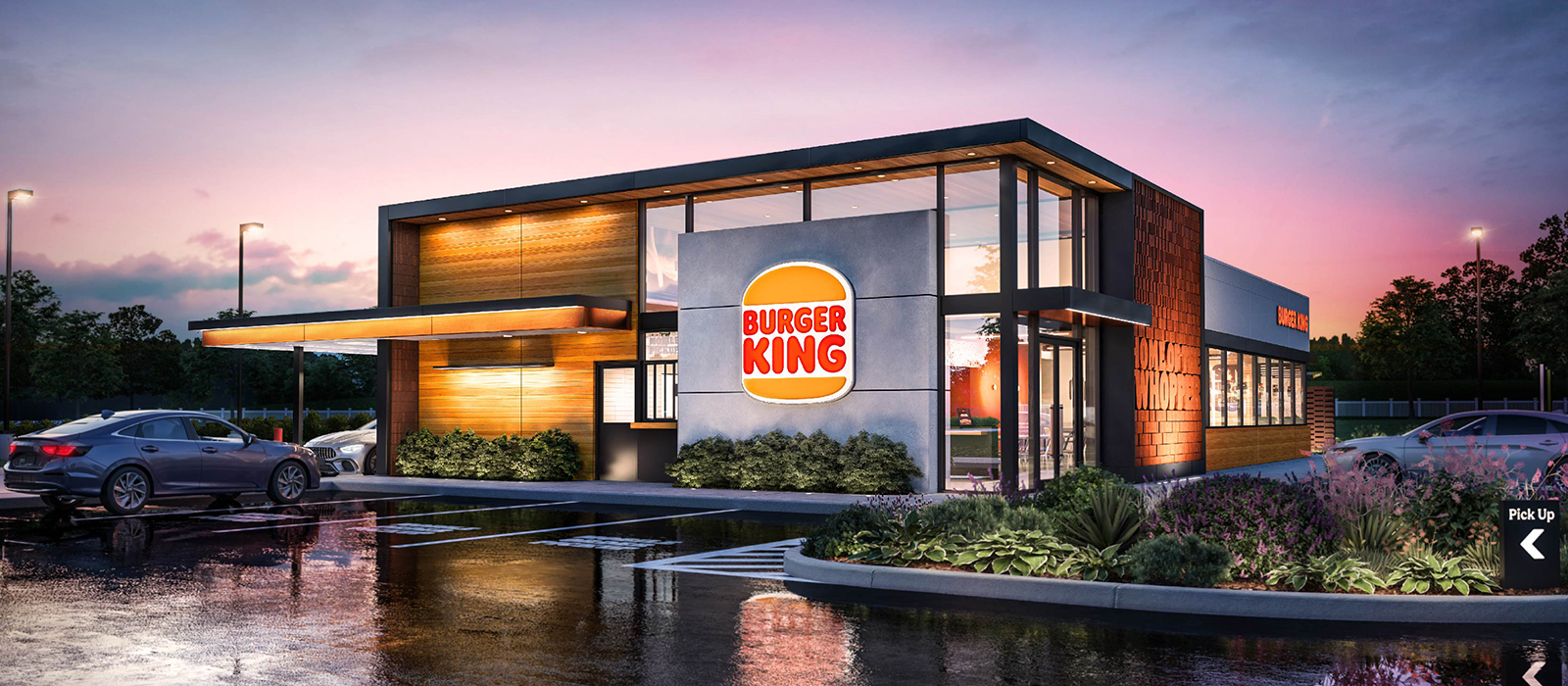
Burger King is more than just a fast-food chain; it’s a global phenomenon with a rich history of innovation. Known for its iconic Whopper and flame-grilled cooking method, Burger King has been serving customers since 1954. From late-night cravings to family meals, the brand has provided not just food but memories for millions. Whether you’re craving a classic burger or a plant-based option, Burger King offers something for everyone.
| Quick Facts Summary | |
|---|---|
| Founded | December 4, 1954 |
| State Founded | Florida |
| U.S. Locations | 7,000+ |
| Food Type | Hamburgers |
| Restaurant Type | Fast Food |
| Website | bk.com |
History
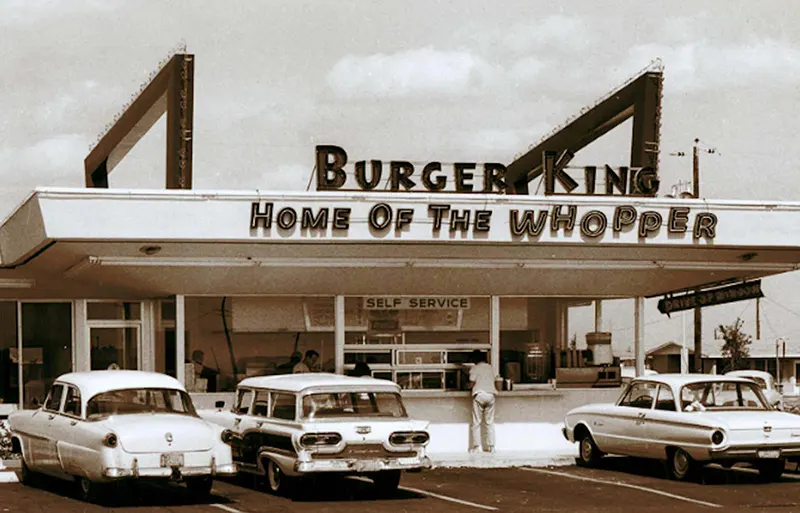
Humble Beginnings: The Birth of Burger King
In 1954, in the vibrant city of Miami, Florida, two ambitious entrepreneurs—James McLamore and David Edgerton—opened the first Burger King at 3090 NW 36th Street. Originally called “Insta-Burger King,” the restaurant introduced a unique innovation: the Insta-Broiler, a machine that flame-grilled burgers to perfection. This method gave their food a distinct smoky flavor, setting it apart from competitors who relied on flat-top griddles.
The Arrival of the Whopper
In 1957, McLamore and Edgerton launched what would become Burger King’s most iconic menu item: the Whopper. Priced at just 37 cents, the Whopper was designed to be a hearty, satisfying burger that stood out in the fast-food landscape. Its bold name was no accident—McLamore wanted it to evoke thoughts of something substantial and larger-than-life.
The Whopper’s immediate popularity cemented its status as a customer favorite and an integral part of Burger King’s identity. To this day, it remains the brand’s signature item and a symbol of its flame-grilled excellence.
From Insta-Burger King to Burger King
By 1959, McLamore and Edgerton rebranded their growing business as Burger King and streamlined operations to ensure consistency across locations. The original Miami restaurant’s distinct design and welcoming atmosphere became a template for future stores, creating a sense of familiarity and comfort for customers.
A Growing Kingdom
The late 1950s and early 1960s saw Burger King steadily expanding throughout Florida. Each new location emphasized the core values established at the original Miami store: flavorful food, quick service, and a family-friendly vibe. These early restaurants became beloved community hubs, known for their inviting atmosphere and the unmistakable aroma of flame-grilled burgers.
Why the Brand Endures
Burger King’s early years are a testament to innovation and passion. The flame-grilled method, the creation of the Whopper, and the founders’ dedication to quality helped forge an emotional connection with customers. This foundation has ensured that the brand remains beloved by generations of food lovers worldwide.
James Whitman McLamore: The Strategic Innovator
Born: May 30, 1926, in New York City
Died: August 8, 199
Born on May 30, 1926, in New York City, James McLamore was a visionary entrepreneur with a keen sense of opportunity. While studying hotel administration at Cornell University, McLamore discovered his passion for creating memorable dining experiences. This foundation became pivotal in shaping his approach to Burger King.
After graduation, McLamore worked at Howard Johnson’s, where he learned the intricacies of running a restaurant. His fascination with streamlining operations led him to explore the potential of the growing fast-food industry. A pivotal moment came when McLamore visited the original McDonald’s in San Bernardino, California. Impressed by the efficiency of their system, he was inspired to create his own unique concept, blending quality with speed.
In 1954, McLamore partnered with David Edgerton to open the first Insta-Burger King in Miami. His commitment to innovation and customer satisfaction led to the creation of the iconic Whopper in 1957. McLamore believed the Whopper should embody the value of a hearty meal, saying, “It had to be something big, something that could stand out.”
Beyond his entrepreneurial mindset, McLamore was known for his warmth and generosity. Colleagues and friends often described him as a “people person” who believed in fostering relationships, whether with employees, customers, or partners. McLamore’s leadership style emphasized collaboration, a value that helped Burger King flourish.
After selling Burger King to Pillsbury in 1967, McLamore remained dedicated to philanthropy. He was particularly passionate about education and community service, serving on the boards of several organizations.
McLamore passed away on August 8, 1996, but his legacy lives on in every flame-grilled burger served today.
David Russell Edgerton Jr.: The Mechanical Genius
Born: May 26, 1927, in Lebanon, Pennsylvania
Died: April 3, 2018
Born on May 26, 1927, in Lebanon, Pennsylvania, David Edgerton was a man of innovation and practicality. Like McLamore, Edgerton pursued hotel administration at Cornell University and later served in the U.S. Army, where his technical skills flourished.
Edgerton’s journey into the food industry began with managing a Howard Johnson’s, where he honed his expertise in restaurant operations. His technical aptitude shone when he opened his first Insta-Burger King franchise in Miami in 1954. Unlike traditional fast-food joints, Edgerton was fascinated by efficiency. He improved the restaurant’s Insta-Broiler, ensuring that burgers were cooked quickly without compromising their flame-grilled flavor.
When Edgerton partnered with McLamore later that year, their synergy became evident. Edgerton often focused on the operational side of things, making sure the equipment ran smoothly and the restaurants operated efficiently, while McLamore concentrated on branding and customer experience.
A colleague once said, “David was the kind of guy who would take apart a machine, figure out how it worked, and put it back together better than before.” This ingenuity became a backbone of Burger King’s success, ensuring that each location could consistently deliver the same high-quality flame-grilled burgers.
Edgerton’s straightforward, no-nonsense demeanor complemented McLamore’s personable leadership style. Together, they created a balanced partnership that propelled Burger King to become a fast-food giant.
Edgerton passed away on April 3, 2018, at the age of 90, leaving behind a legacy of innovation that forever changed the way fast food was prepared.
A Shared Vision
McLamore and Edgerton’s partnership was rooted in their shared belief that fast food could be better—both in taste and customer experience. Their collaboration was not without challenges. In the early years, they often worked long hours to ensure the fledgling business would survive. However, their complementary strengths allowed them to overcome obstacles together.
One of their early breakthroughs came when a competitor moved in across the street. Instead of being intimidated, McLamore and Edgerton saw it as an opportunity. “We decided to let the burgers do the talking,” McLamore later joked, referring to the quality that kept customers coming back.
Their combined efforts not only built a fast-food empire but also left an indelible mark on American dining culture.
Burger King’s About Us page highlights its rich heritage and global presence. Founded in 1954, Burger King has grown to become the world’s second-largest fast-food hamburger chain, serving over 11 million guests daily across more than 100 countries.
The page emphasizes the brand’s commitment to premium ingredients, signature recipes, and family-friendly dining experiences, which have been central to its success over the past 70 years. This dedication is encapsulated in their current slogan, “You Rule,” introduced in October 2022 as part of a campaign to celebrate customer individuality and enhance brand relevance.
Overall, the About Us page effectively communicates Burger King’s enduring values and its focus on customer satisfaction, reinforcing the brand’s position in the competitive fast-food industry.
What does the original location look like today?
Sometimes, we are fortunate to have the original restaurant still, but it has often been torn down and could be unrecognizable today. Sadly, the original Burger King location is gone, but you can see the car dea
Discounts
Does Burger King have a rewards program?
Yes, Burger King offers a rewards program called Royal Perks. Members earn 10 Crowns for every $1 spent on eligible purchases. These Crowns can be redeemed for menu items, and members also enjoy perks like daily free upsizes on drinks, fries, and other exclusive offers. You can sign up for Royal Perks through the Burger King Royal Perks page.
Does Burger King offer anything free for your birthday?
Yes, Royal Perks members receive special benefits during their birthday month. This includes earning double Crowns on purchases. Specific free items or additional birthday offers may vary, so be sure to check the Burger King app or website closer to your birthday for the latest promotions.
Does Burger King offer discounts for active military or veterans?
Burger King does not have a company-wide military discount policy. However, some locations offer a 10% discount to active-duty military members and veterans with valid military identification. Since this is location-specific, it’s best to inquire directly at your nearest Burger King.
Does Burger King offer discounts for senior citizens?
Burger King does not have a standardized senior discount program across all locations. However, some restaurants provide a 10% discount or offer a free small drink to customers aged 60 and older. Availability varies, so ask your local Burger King about senior discounts.
Does Burger King offer discounts to children or offer kids eat free?
Burger King does not currently have a chain-wide “kids eat free” program. However, they do offer King Jr. Meals at discounted prices, which include a main item, side, drink, and toy. Occasionally, local restaurants or national promotions may include kid-focused deals, so checking the app or asking your local restaurant is a good idea.
Nutrition
What kind of menus does Burger King offer?
Burger King provides a range of menus designed to cater to diverse preferences and dietary needs:
Main Menu: Features flame-grilled burgers, chicken sandwiches, sides, and beverages, with options for classic fast-food lovers and those seeking new flavors.
Kids Menu: King Jr. Meals include a main item, side, drink, and toy, offering kid-friendly meal combinations.
Nutrition Information: Comprehensive details about calories, ingredients, and nutritional content for all items.
Allergen Information: A guide listing potential allergens in menu items, helping customers with dietary restrictions.
You can access these menus here:
Does Burger King have allergen recommendations?
Yes, Burger King offers detailed allergen information through its Allergen Guide. Customers can also use the Nutrition Explorer to filter menu items based on specific allergens.
Dairy-Free Options:
French Fries and some salads can be dairy-free, and the Impossible Whopper (without mayo) is a popular choice for those avoiding dairy.
Go Dairy Free: Provides a Burger King Dairy-Free Menu Guide.
Gluten-Free Options:
Burger King offers a limited selection of gluten-free items, such as bunless burgers and some salads. However, cross-contamination in shared cooking spaces is a concern.
No Gluten: Provides a Gluten-Free Menu Guide.
Peanut-Free Options:
Burger King has a peanut-allergy-friendly menu, though cross-contamination risks remain. It’s best to confirm allergen protocols with the restaurant staff.
Verywell Health: Offers tips for Dining Out with Food Allergies.
My Take: Burger King is moderately allergen-friendly. While they provide helpful information and some options, the shared kitchen environment may pose challenges for those with severe allergies. If cross-contamination is a critical concern, you might want to explore other restaurants with stricter allergen protocols.
Burger King accommodates dietary restrictions with detailed allergen information:
Burger King has made notable efforts to cater to vegetarians and vegans:
Impossible Whopper: A plant-based burger that tastes close to the real thing. However, it is cooked on the same broiler as meat products unless otherwise requested.
Fries and Sides: Fries are generally vegan-friendly but are cooked in shared fryers.
Salads: Simple modifications (like removing cheese) can make salads vegetarian or vegan-friendly.
My Take: Burger King is a decent option for vegetarians and a passable one for vegans. If you’re okay with shared cooking surfaces, the Impossible Whopper is a surprisingly tasty option—I’d recommend giving it a try! However, for strict vegans, restaurants with vegan-certified kitchens may be a better fit.
Ethics
Does Burger King support a charity?
Charity Focus: Burger King focuses on empowering individuals through education and providing emergency relief.
Burger King’s charitable efforts are led by the Burger King Foundation, established in 2005 in honor of co-founder James “Jim” McLamore. The foundation’s flagship initiative, the Burger King Scholars Program, has awarded over $55 million in scholarships to more than 45,000 students across North America since its inception in 2000. These scholarships, ranging from $1,000 to $60,000, help high school students, Burger King employees, and their families offset college and vocational school costs.
In 2022 alone, the foundation awarded over $4.6 million to nearly 4,000 students. As one recipient shared, “This award changed my life—it gave me the chance to pursue my dreams without the financial burden.”
Burger King has also supported global disaster relief efforts, stepping in to provide aid during crises such as hurricanes and wildfires. These initiatives demonstrate the brand’s commitment to making a difference in both local and global communities.
For more information, visit the Burger King Foundation.
“These efforts reflect Burger King’s commitment to making a difference not only through food but by empowering individuals and communities.”
Does Burger King care about animal cruelty or animal welfare?
Yes, Burger King has implemented several policies to enhance animal welfare within its supply chain.
- Cage-Free Eggs: Burger King has committed to sourcing 100% cage-free eggs worldwide by 2025 for 92% of its global markets, with the remaining markets following by 2030. As of 2023, 75% of their eggs already meet this standard.
- Broiler Chicken Welfare: The company has pledged to improve the welfare of chickens in its supply chain by adopting higher standards, including better living conditions and humane slaughter practices, aiming for full implementation by 2024.
- Gestation Crates: Burger King has committed to eliminating the use of gestation crates for pigs in its supply chain, aiming for 100% crate-free pork by 2025.
Burger King’s animal welfare initiatives place it ahead of many competitors, signaling a shift in industry standards. These commitments are part of the brand’s broader mission to create a more ethical food system.
For detailed information, visit Burger King’s Responsibility Page.
Does Burger King care about the environment?
Yes, Burger King has initiated several environmental sustainability efforts:
Sustainable Packaging: The company aims to source 100% of its packaging from renewable, recyclable, or certified sources by 2025. Currently, 80% of its packaging in North America meets these standards.
Greenhouse Gas Reduction: Burger King has pledged to reduce greenhouse gas emissions by 41% per restaurant by 2030.
Regenerative Agriculture: In collaboration with the National Fish and Wildlife Foundation and Cargill, Burger King supports sustainable grazing practices to conserve grasslands and wildlife. This initiative aims to sequester up to 360,000 metric tons of CO₂ equivalent per year.
Customers can also participate in sustainability efforts by properly disposing of recyclable packaging and opting for digital receipts to reduce waste.
Burger King’s environmental initiatives reflect its commitment to ensuring a greener future for all while maintaining transparency about its progress.
For more details, visit Burger King’s Responsibility Page.
Misc.
- Insta-Broiler Origins: Burger King was originally called “Insta-Burger King” because of the unique Insta-Broiler used to cook its flame-grilled burgers.
- Whopper’s 1957 Debut: The Whopper debuted in 1957, priced at just 37 cents—about $3.75 in today’s dollars. Families could enjoy a hearty meal without breaking the bank.
- Hungry Jack’s: In Australia, Burger King operates as “Hungry Jack’s” due to a trademark conflict.
- The Subservient Chicken: This 2004 viral marketing campaign revolutionized digital advertising, proving that quirky, interactive content could captivate audiences.
- Left-Handed Whopper Hoax: On April Fools’ Day in 1998, Burger King claimed to release a “Left-Handed Whopper,” fooling thousands.
- Halloween Whopper: The black-bunned Halloween Whopper caused quite a stir in 2015—not just for its look but for its unusual side effects.
- The 1¢ Whopper Deal: In 2018, customers near a McDonald’s could order a Whopper for one cent through the BK app, showcasing the brand’s playful rivalry.
- The Whopper’s Cryptocoin: In 2018, Burger King Russia launched the WhopperCoin, a cryptocurrency customers could earn with purchases.
- Flame Body Spray: In 2008, Burger King released “Flame,” a meat-scented cologne for fans who wanted to smell like a Whopper.
- First Dining Room: Burger King was one of the first fast-food chains to introduce indoor dining areas, changing how customers enjoyed fast food.
- Miami’s Legacy: Although the original location no longer stands, its legacy lives on in every flame-grilled burger served today.
- A Global Staple: Burger King serves over 11 million guests daily in more than 100 countries.
- Whopper-Centered Marketing: The Whopper has been at the center of some of Burger King’s most successful campaigns, including the famous “Have It Your Way” slogan.
- Whopper vs. Big Mac: In taste tests, many customers prefer the Whopper over the Big Mac due to its flame-grilled flavor.
Does Burger King have any Secret Recipes
Burger King’s iconic menu items have inspired countless copycat recipes online. Here are a few fan favorites:
- Whopper Recipe: Top Secret Recipes provides a detailed guide to recreating the Whopper at home, complete with flame-grilled tips.
- Zesty Sauce: CopyKat offers a recipe for Burger King’s famous Zesty Sauce, perfect for Onion Rings lovers.
Pro Tip: To mimic the Whopper’s flame-grilled flavor, use a grill pan or cook your patties over an open flame for authentic char marks. Don’t be afraid to add your own twist—extra pickles, anyone?
Burger King operates over 7,000 locations across the U.S., serving cities big and small. Notable spots include:
- Miami, Florida: Near the original location, some Miami restaurants still honor the brand’s heritage.
- Budapest, Hungary: While not in the U.S., the world’s largest Burger King is worth a mention for its grandeur.
Discover your nearest Burger King with the Location Finder and indulge in your favorites today!
1. What is the history of Burger King?
Founded in 1954 by James McLamore and David Edgerton, Burger King began as Insta-Burger King in Miami, Florida.
2. Who founded Burger King?
James McLamore and David Edgerton are credited with founding Burger King.
3. When and where was Burger King founded?
The first restaurant opened on December 4, 1954, at 3090 NW 36th Street, Miami, Florida.
4. What are Burger King’s signature dishes?
The Whopper, Chicken Fries, King Jr. Meals, and the Impossible Whopper are among its most iconic items.
5. How did Burger King become successful?
Its flame-grilled method, introduction of the Whopper, and clever marketing campaigns helped establish its success.
6. Does Burger King have a rewards program?
Yes, the Royal Perks program lets you earn Crowns for every $1 spent, redeemable for free food.
7. What is the largest Burger King in the world?
The largest location is in Budapest, Hungary.
8. Does Burger King offer vegetarian or vegan options?
Yes! The Impossible Whopper is a popular choice for vegetarians, though vegans should confirm preparation methods.
9. Are Burger King’s fries gluten-free?
The fries themselves are gluten-free, but cross-contamination is possible due to shared fryers.
10. What’s the Whopper’s backstory?
Introduced in 1957, the Whopper was designed to be a larger, more satisfying burger. Its original price was just 37 cents.
